when you are looking to purchase an elliptical trainer of Sunny Health and Fitness, you are likely to pose only one question: Does it work well as a home exercise machine? Majority of consumers are not seeking a gym-quality machine, instead, they are seeking a low-impact cardio, a quiet machine, a footprint that can fit real living areas, and something that will not end up being a wobbly coat rack within two weeks.
The guide is designed to assist you in selecting the appropriate Sunny elliptical type (and not the inappropriate one), a way to have a practical stride-length fit cheat sheet, model-by-scenario decision tree, and how to set up and maintain it (which competitors tend to omit).
Quick “Worth It?” Answer (under 45 words)
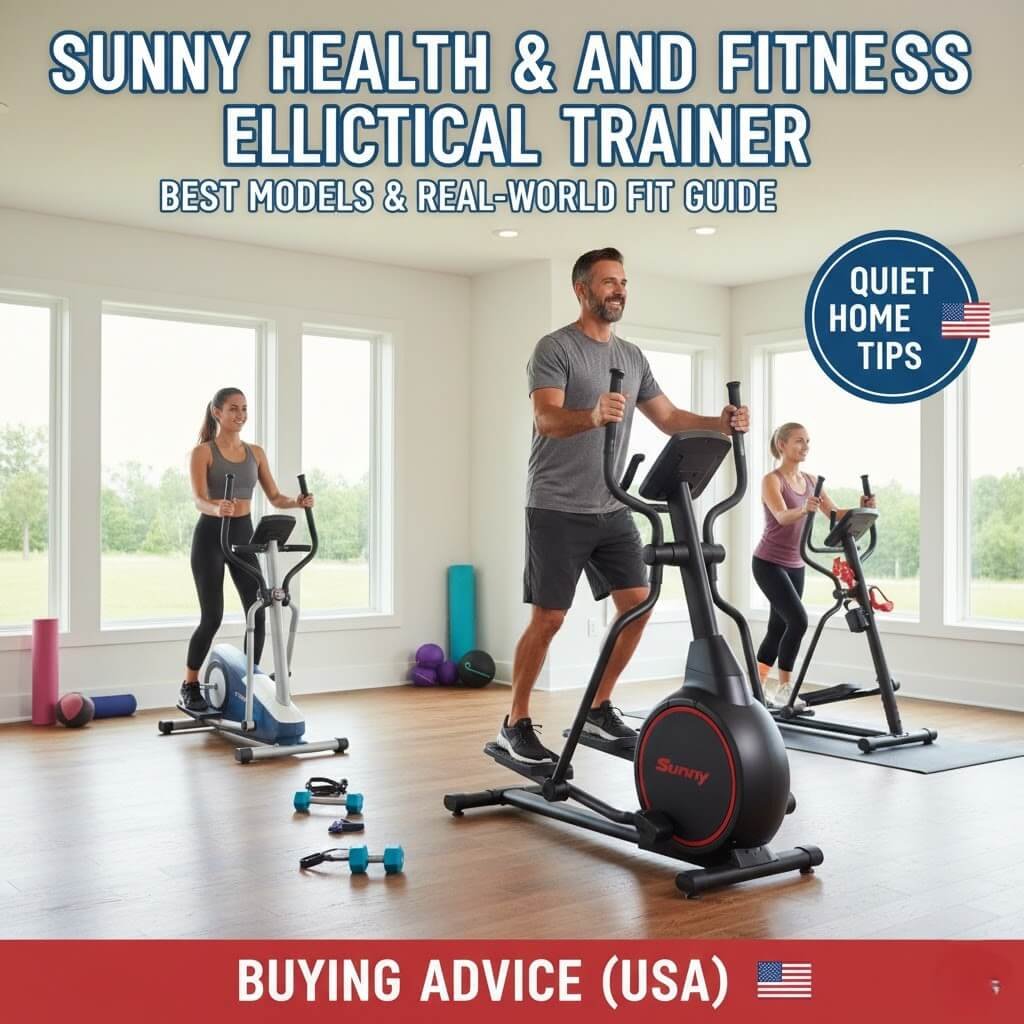
The Sunny Health and Fitness ellipticals tend to be worth buying when you are looking to save money on home cardio (low-impact) and are comfortable not having all the bells and whistles as the high-end machines. Select wisely depending on stride distance, stability and your area.
What You’re Really Buying: Elliptical vs Air Walker vs Smart Elliptical
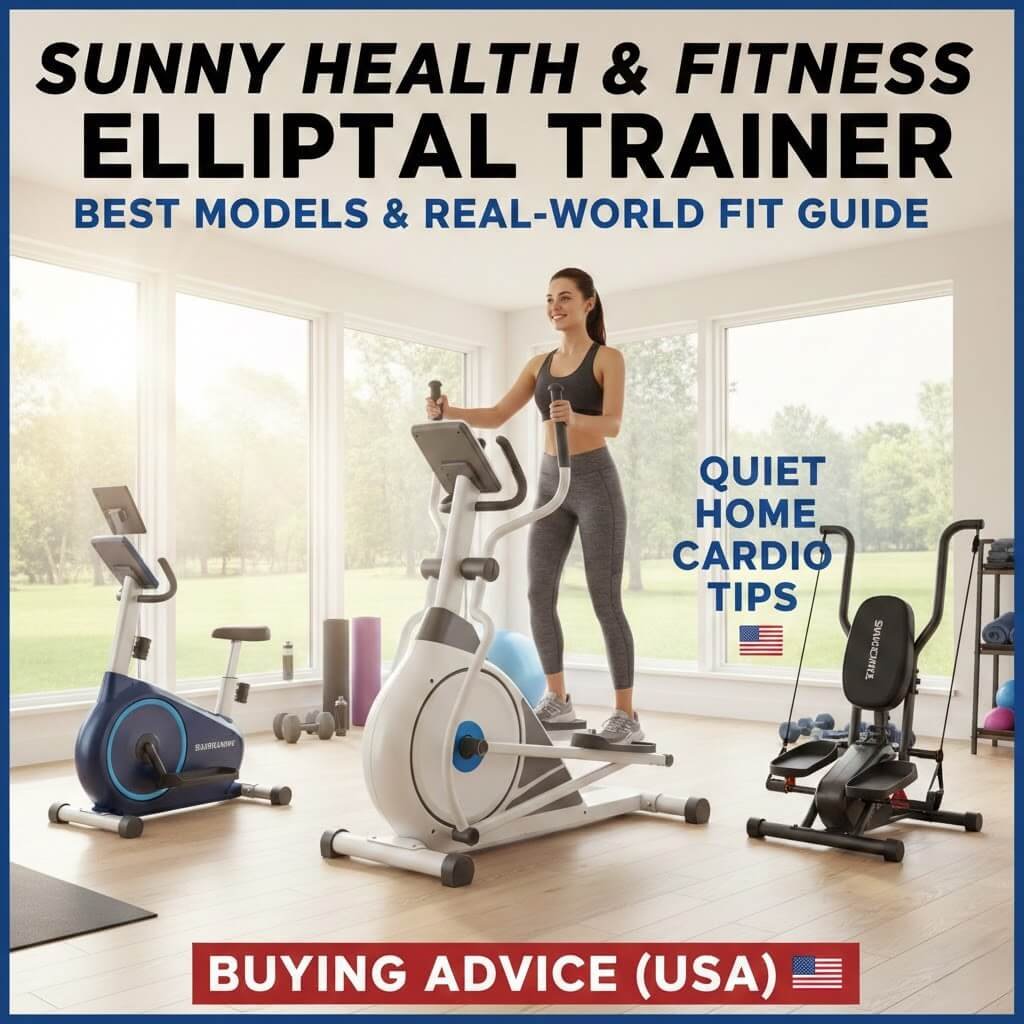
Sunny’s lineup can feel confusing because the brand sells different machines that look similar on a product page but feel very different in your home.
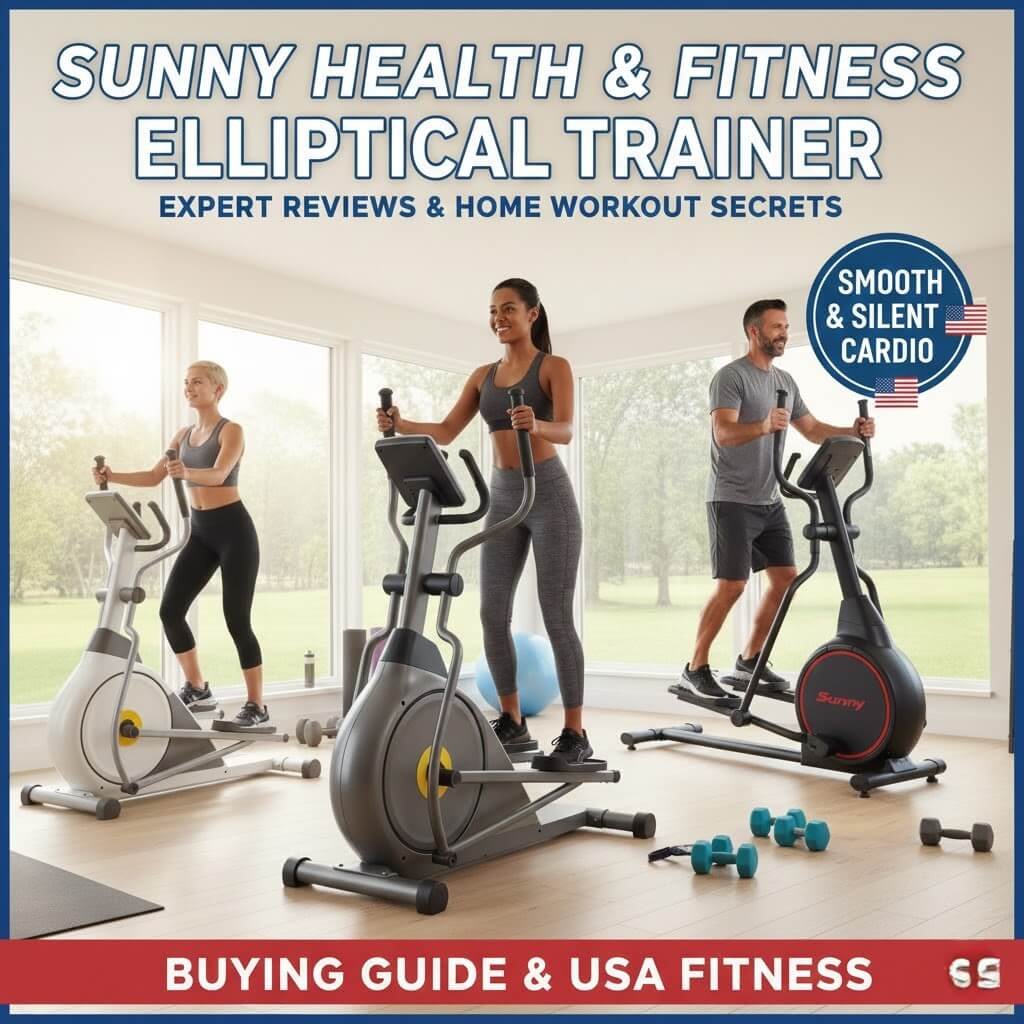
1) Traditional Magnetic Elliptical (most “elliptical trainer” searches)
- Smooth, quiet motion using magnetic resistance
- A flywheel helps maintain consistent movement
- Best for steady cardio, light intervals, and everyday workouts
2) Air Walk / Glider-Style “Air Walker” (often smaller and foldable)
- Sometimes called an “elliptical,” but it’s more like a glider
- Motion is usually lighter and less “gym elliptical” feeling
- Great for tiny spaces, beginners, and quick movement breaks
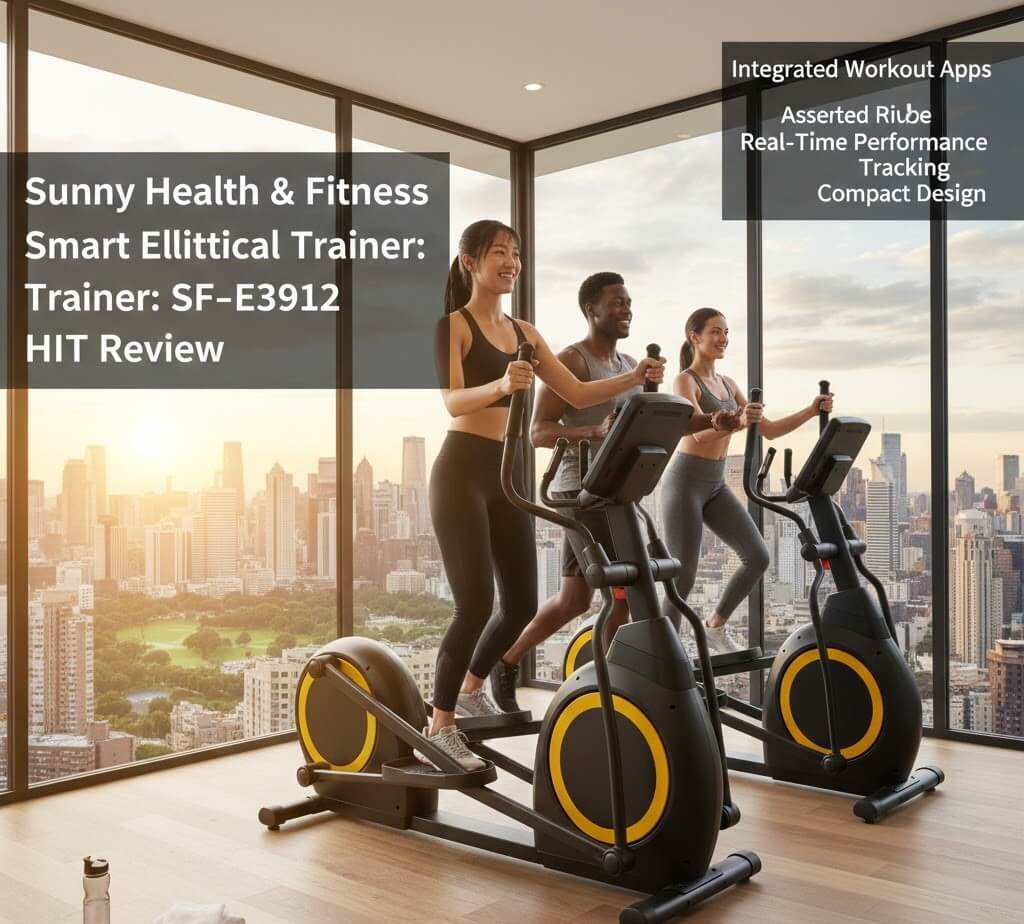
3) Smart / Interactive Ellipticals (app-connected models)
Certain Sunny models can be used with the SunnyFit to guide workouts, track, and have a more formal schedule. Smart features may be more important than additional resistance levels in the event that you require motivation and consistency.
Why Elliptical Training Matters (Especially for Home Fitness)
Ellipticals are popular for one simple reason: you can exercise often without beating up your joints.
Common reasons people choose an elliptical:
- Low-impact cardio (knees and ankles usually feel better than with running)
- Full-body engagement on models with moving handlebars
- Easy to scale intensity using resistance + pace
- Quiet workouts compared to many treadmills (ideal for shared spaces)
If your goal is fat loss, stamina, or daily movement consistency, an elliptical can be the “most repeatable” option—because it’s easier to stick with.
Who Sunny Ellipticals Are Best For (and Not For)
Best for
- Beginners building a cardio habit
- Apartment or small-home users who need quiet operation
- People who want low-impact movement for joints
- Budget buyers who don’t need premium training programs
Not ideal for
- Users who want a long, natural stride like commercial gym ellipticals
- Heavy interval training enthusiasts who push near max resistance daily
- People who need advanced coaching, large screens, or pro-grade durability
The Specs That Decide Everything (Don’t Skip These)
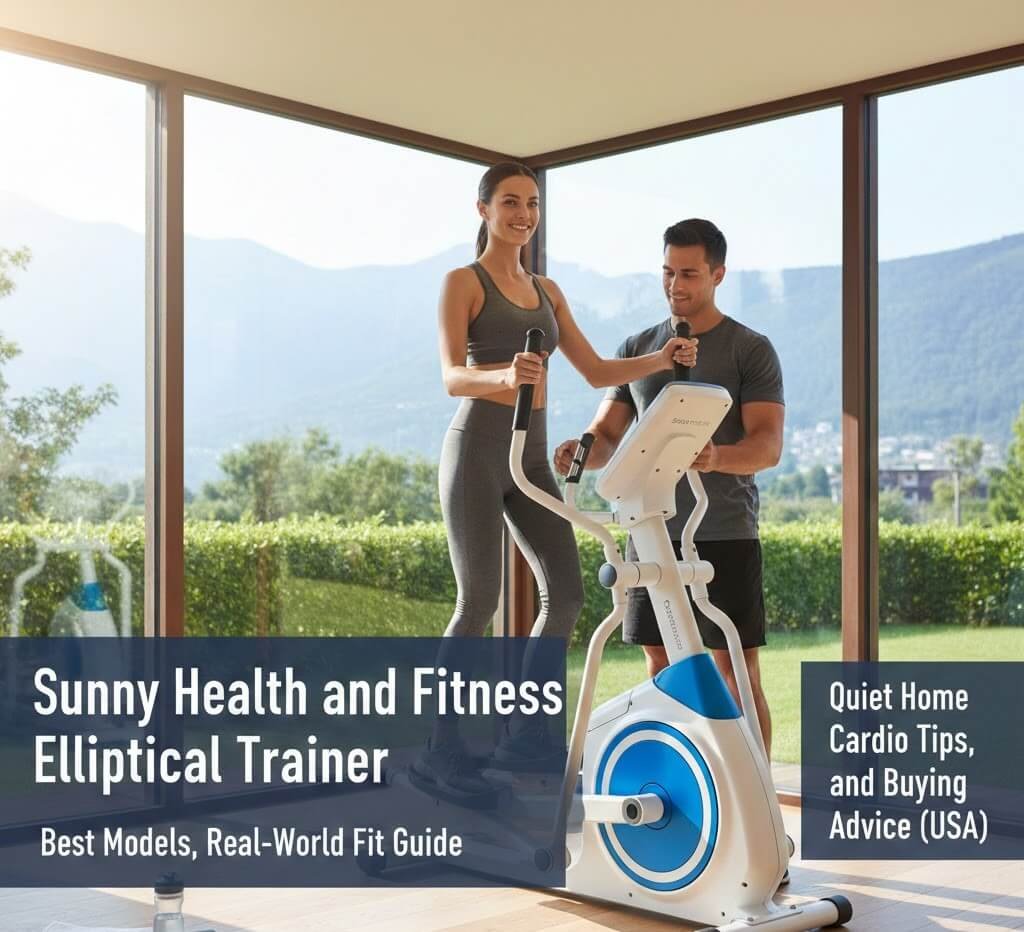
When shoppers regret an elliptical purchase, it usually comes down to three specs: stride length, stability, and space.
1) Stride length: the comfort “fit” factor
A stride that’s too short can feel cramped, especially for taller users. Many budget ellipticals use a shorter stride to reduce cost and footprint.
Stride-Length-by-Height Cheat Sheet (practical, not perfect)
| Your height | Comfortable stride range (general guidance) | What to expect with shorter stride |
|---|---|---|
| Under 5’4″ | 13″–16″ | Usually fine, may feel slightly “steppy” |
| 5’4″–5’9″ | 15″–18″ | Shorter can work, but test comfort |
| 5’10″+ | 18″+ preferred | Too short may feel cramped or awkward |
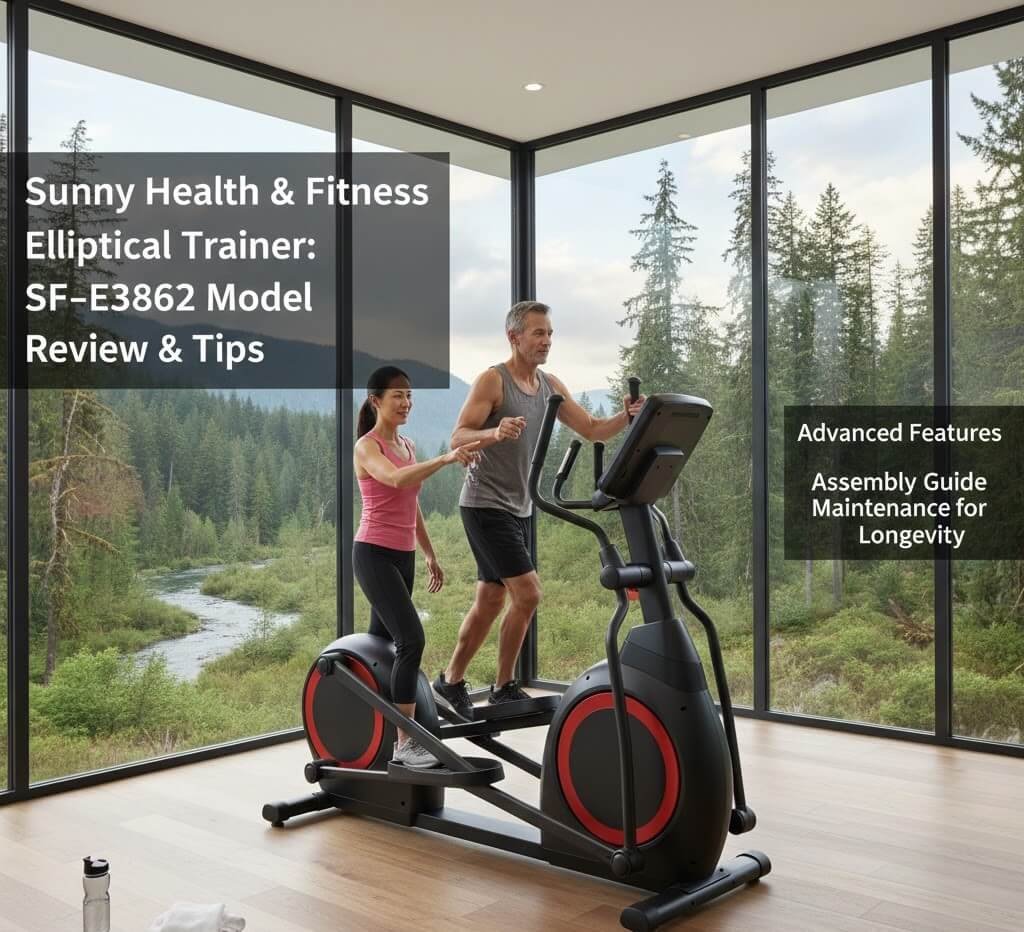
If you’re tall and looking at a model around 15.5 inches, it can still work for many people, but comfort becomes personal: leg length, hip mobility, and how fast you plan to move all change the feel.
2) Stability & wobble: the “does it feel cheap?” factor
Wobble usually comes from:
- uneven floors
- loose bolts after first few workouts
- no mat (vibration + sliding)
- pushing the machine harder than it’s built for
3) Footprint: “will this actually fit?”
Measure:
- storage needs (foldable glider-style options win here)
- machine footprint (length x width)
- clearance behind/around it
Over latest post:Pinnacle Health and Fitness – The Complete Guide to Transforming Your Body and Lifestyle in 2025
Model Hub: Which Sunny Option Fits Your Scenario?
Instead of guessing based on pictures, choose based on your real-life use case.
The decision tree (fast and honest)
- Do you need the smallest footprint possible?
- Yes → consider an Air Walk / glider-style like Sunny Air Walk Trainer SF-E902
- No → go to #2
- Do you want the most “classic elliptical” feel?
- Yes → choose a magnetic elliptical model
- No → go to #3
- Do you want app-guided workouts and tracking?
- Yes → consider smart/app-compatible models like SF-E3912 / SF-E3912SMART
- No → basic magnetic models are usually enough
Mini “Best For” Cards
- SF-E902 Air Walk Trainer: Best for tiny spaces, beginners, quick daily movement, and foldable storage
- SF-E3912 / SF-E3912SMART: Best for structured home training, higher weight capacity options, and users who like guidance
- Basic magnetic ellipticals: Best for quiet, simple cardio without needing apps
Over latest post:Medibio Health and Fitness Tracker
Pros and Cons (Real-World, Not Hype)
Pros
- Usually budget-friendly compared to big fitness brands
- Good for quiet home cardio, especially magnetic resistance models
- Beginner-friendly assembly and learning curve
- Solid option if your goal is consistency, not competition
Cons
- Shorter stride on many budget models (tall users should be cautious)
- Fewer built-in programs compared to premium ellipticals
- Not designed to feel like a commercial gym machine
- Warranty and parts experience can vary by model and seller—read listings carefully before purchase
How to Choose the Right Sunny Elliptical (Buying Framework)
Before you buy, answer these five questions:
- What’s your goal?
- Daily cardio habit → any solid magnetic model works
- Weight loss + structure → smart/app compatibility helps
- Movement breaks + storage → Air Walk/glider-style is easiest
- How much space do you have?
- Apartment living → prioritize compact footprint + mat + quiet resistance
- Basement/garage → you can go larger and more stable
- How tall are you?
- Over 5’10” → prioritize longer stride when possible
- Under 5’9″ → more models will feel comfortable
- Do you care about screens/programs?
- If you need motivation, guided workouts matter
- If you just want movement, simple tracking is fine
- How hard will you push it?
- Light to moderate daily use → great match
- Aggressive daily intervals → consider sturdier alternatives
Over latest post:Black Influencer Founder Founded Health, Wellness, Fitness, and Lifestyle Brands – A 2025 Ultimate Guide
Pricing and Where to Buy in the USA (Including “Near Me” Behavior)
Prices vary widely by model and sales season, but Sunny typically sits in the budget to mid-range home fitness category. You’ll often see deals around New Year fitness season and major holiday promotions.
Common purchase paths
- Online marketplaces like Amazon for broad selection and shipping
- Big retailers like Walmart where availability and returns can be convenient
- “Elliptical trainer near me” searches when buyers want local pickup or faster delivery
Tip: If you live in a walk-up apartment, verify box weight/size and delivery method before clicking “Buy.”
Apartment Setup: How to Keep It Quiet and Stable
If you share walls or floors, your setup matters almost as much as the machine.
Step-by-step: reduce noise and wobble
- Put a dense exercise mat under the machine
- Level the machine using the stabilizers/feet
- Tighten bolts after the first 2–3 workouts (they can settle)
- Place it on the most solid flooring available (avoid thick carpet if possible)
- If you feel rocking, re-check level and bolt tightness—don’t “push through it”
Maintenance Checklist (Competitor Gap Fix)
Most budget ellipticals last much longer when you treat them like a machine—not furniture.
Weekly (5 minutes)
- Wipe sweat from handles and console
- Check pedal and rail area for dust
Monthly (10 minutes)
- Inspect and tighten key bolts
- Confirm the machine is still level
- Listen for new squeaks or clicks (often a loosening bolt)
Every 3–6 months
- Review moving contact points (per manual)
- Replace worn parts early if needed
Elliptical vs Treadmill vs Bike (Quick Comparison for “Bad Knees” Searches)
| Machine | Joint impact | Noise | Space | Best for |
|---|---|---|---|---|
| Elliptical | Low | Low–Medium | Medium | Full-body low-impact cardio |
| Treadmill | Higher | Medium–High | Medium–Large | Walking/running specificity |
| Bike | Low | Low | Small–Medium | Simple cardio, rehab-friendly |
If your main concern is joint comfort and repeatability, an elliptical is often the sweet spot.
Over latest post:Gainesville’s Best Gym at Tioga Just Minutes From Your Door
Alternatives to Consider (If Sunny Isn’t the Right Fit)
If you want more “gym feel” or longer stride options, consider alternatives from brands like Schwinn. If your priority is a compact footprint with strong value, some shoppers also compare budget machines from Niceday. The best alternative depends on whether your limiting factor is stride, durability, or space.
7+ FAQs (human readable)
1) Is Sunny Health and Fitness a good brand?
Sunny is widely known for budget-friendly home equipment. The value is strong if you match the model to your needs and don’t expect commercial gym durability.
2) Is the Sunny elliptical good for beginners?
Yes. It has a variety of models that are user-friendly as they are easy to operate, less impactful, and do not need sophisticated configuration.
3) What stride length do I need for my height?
Most of the individuals less than 59 inches tall are comfortable with medium strides; those who are tall tend to choose longer strides. Take the cheat sheet on height above as a guide and then decide according to comfort.
4) Is the Air Walk Trainer a real elliptical?
It is commonly sold in the same manner, however, it is more of a glider-like cardio machine. Even small spaces can still work with it, however it will not be like a full-size gym elliptical.
5) Does a Sunny elliptical require electricity?
It depends on the model. Some monitors use batteries, while certain smart features may require power or charging. Check the product listing details before purchase.
6) How long does assembly take?
Many home users complete assembly in 60–120 minutes depending on the model and experience. Having a second person can help with alignment and stability.
7) How noisy is a magnetic elliptical?
The magnetic resistance is usually not as noisy as most treadmill motors. The majority of noise is due to the setting problems: uneven floors, missing mat, and tightening of the bolts.
8) Can I use it for rehab or joint pain?
Most individuals opt to be in ellipticals to move at a low impact, however, when injured or with health issues, you should even seek an expert to give you special advice.
Conclusion
Asunny Health and Fitness elliptical trainer may become a smart purchase at home when you want to have regular, low-intensity cardio but do not want to spend high prices. The trick will be in selecting the appropriate type, in other words, magnetic elliptical vs Air Walk vs smart/app-connected, depending on your height and space and stability concerns.
When you take your measure, make a comfortable stride, and use the silent setup and maintenance checklist, you will have avoided the usual regrets and will have actually a machine that you will use.
