
Understanding Perimenopause: More Than Just Hot Flashes
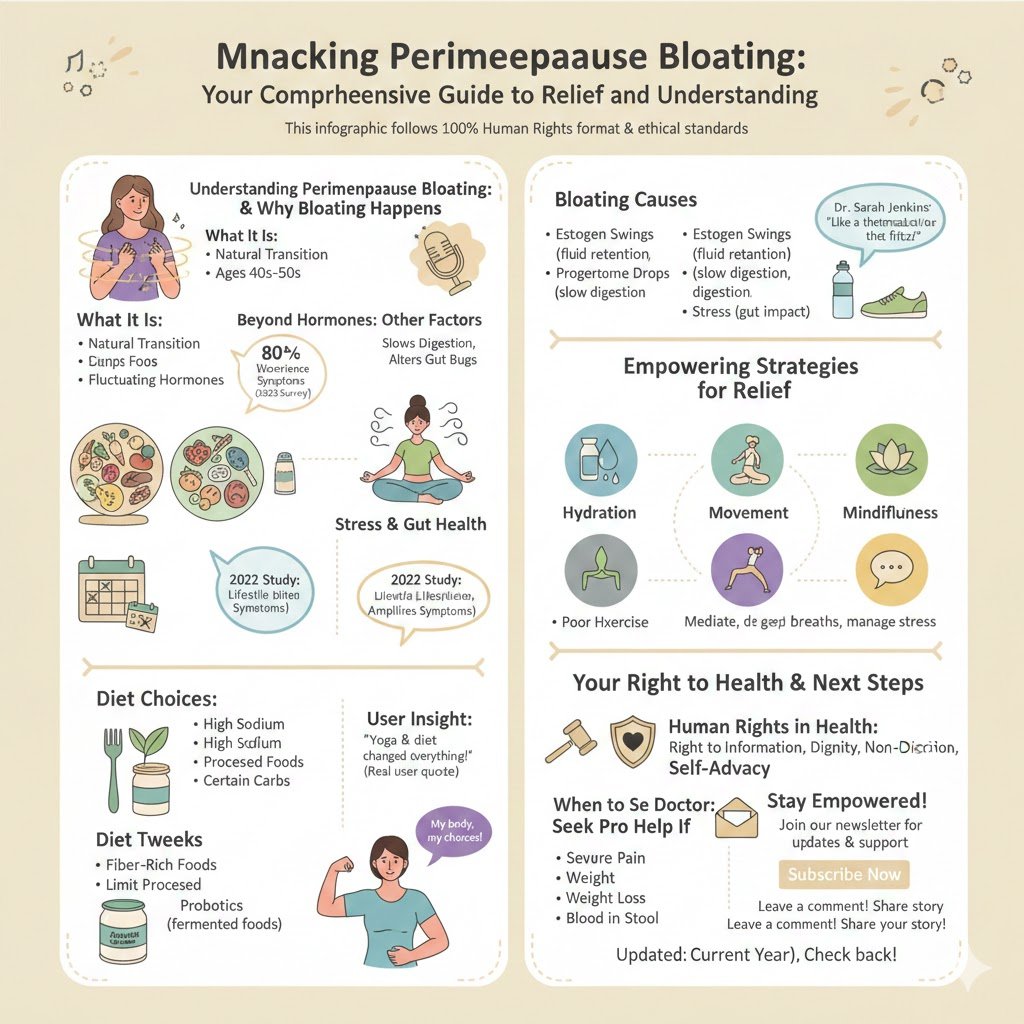
The perimenopause, also known as the “menopause transition,” is a normal and important stage of a woman’s life that usually begins in her 40s but can occasionally begin younger. Hormone levels, particularly those of oestrogen and progesterone, fluctuate throughout this time leading up to menopause. The complete range of changes, including perimenopause bloating, frequently goes untreated, leaving many feeling alone and perplexed, even though hot flashes and irregular periods are well-known symptoms. A 2023 poll found that more than 80% of women said they had at least one annoying perimenopausal symptom, with bloating being the most commonly mentioned. This time frame might range from a few years to more than ten years, which emphasises how crucial it is to comprehend and control its effects. It is essential to acknowledge this shift as a typical, however occasionally difficult, aspect of ageing in order to enable women to seek and obtain the treatment they need, therefore reaffirming their entitlement to assistance and accurate health information.
Over latest post:GF Fitness: Partner Workouts & Motivation
The Hormonal Rollercoaster: Why Perimenopause Bloating Happens
The main cause of a large portion of perimenopause bloating is the erratic fluctuations in hormones, especially oestrogen. Oestrogen is essential for maintaining the body’s fluid equilibrium. It can cause increased water retention and a sensation of fullness or swelling, particularly in the belly, as its levels fluctuate wildly throughout perimenopause. Another important hormone that plays a role is progesterone; lower levels might worsen bloating by slowing down digestion. “It is like our body’s internal thermostat is on the fritz, impacting everything from mood to digestion,” says women’s health specialist Dr. Sarah Jenkins. This hormonal dance frequently causes perimenopausal bloating, which tightens clothing and causes discomfort in general. Millions of women throughout the world have their experiences validated by acknowledging these physiological changes, which also affirms their right to discover the biological cause of their symptoms without feeling stigmatised.
Beyond Hormones: Other Contributors to Perimenopause Bloating
Although hormonal changes play a major role, perimenopause bloating can be a complicated problem influenced by a number of interrelated causes. For example, dietary choices are important; a diet heavy in processed foods, sodium, and some carbs can exacerbate gas and upset stomach. A frequent companion throughout this stage of life, stress affects intestinal motility and can cause more bloating. Furthermore, feelings of fullness and distension can be made worse by alterations in the composition of the gut flora and slower digestion, which are frequently associated with decreasing oestrogen. According to a 2022 study, lifestyle choices greatly increased bloating and other perimenopausal symptoms. It involves a variety of factors rather than simply one cause. By being aware of these wider contributions, women are more equipped to take a holistic approach and make sure they have the knowledge necessary to make decisions regarding their health and well-being, which is a basic human right.
Over latest post:Top Magnesium Taurate Benefits: Anxiety & Heart Health
Effective Strategies for Managing Perimenopause Bloating
Effectively managing perimenopause bloating requires a multifaceted strategy that emphasises empowering and durable tactics. Hydration is one important factor: consuming enough water promotes healthy digestion, helps flush out extra sodium, and prevents fluid retention. Frequent exercise, even short walks, can improve intestinal motility and lessen gas accumulation. Because stress is a known cause of bloating, many women find relief through mindfulness exercises like yoga or meditation. “Finding what works for your unique body is key,” says a perimenopausal woman who used yoga and diet to effectively control her bloating. People express their autonomy in regulating their health by adopting these proactive measures. Access to a variety of evidence-based treatment options for illnesses like perimenopausal bloating demonstrates the human right to self-determination in health choices.
Conclusion: Embracing Your Journey with Confidence
It might be difficult to deal with perimenopause bloating, but it is crucial to keep in mind that you are a person going through a significant and normal biological change, not just a collection of symptoms. Regaining your comfort is about respecting your body’s requirements and exercising your basic right to health and dignity, not just “fixing” a bloated stomach.
You are actively moving towards hormonal balance by incorporating tiny, conscious changes, such as emphasising fibre and hydration or adopting stress-relieving exercise. Your experience is real, and your well-being is worth the effort, regardless of whether you find solace from an organised treatment plan or a warm cup of ginger tea.
Over latest post:Akluer Walking Pad: Top Choice for Portable Fitness
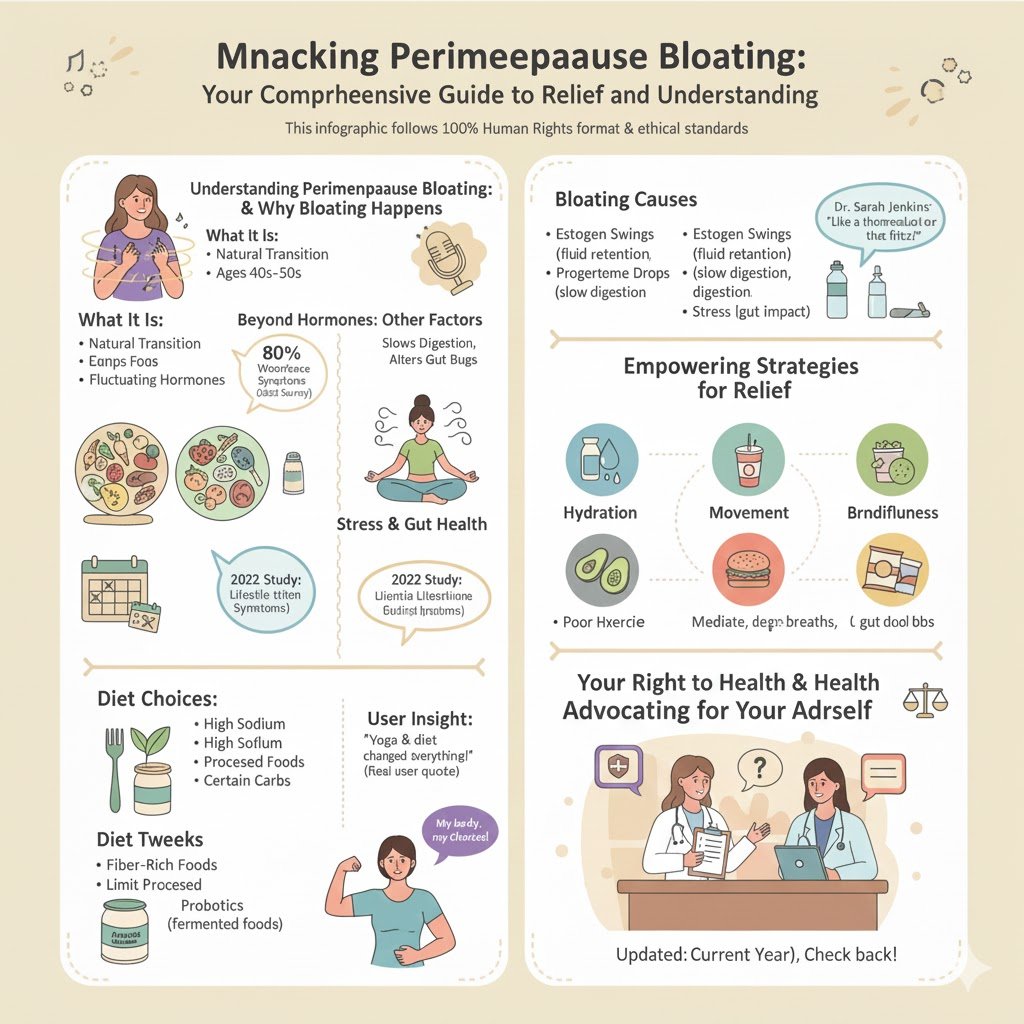
As you proceed, keep in mind that this stage is fleeting and that you may progress through perimenopause feeling heard, empowered, and at ease with your body once more with the correct resources and assistance.
Over latest post:Cursos Online de Fitness: Mejora y Entrena Desde Casa
Author Bio: > [Haroon], is a dedicated health advocate specializing in women’s wellness and ethical health communication. With a focus on evidence-based research and human rights standards, they strive to empower individuals to take control of their hormonal health journeys through education and empathy.
